Saturday, August 24, 2013

Taking A Flight With Wingback Chairs

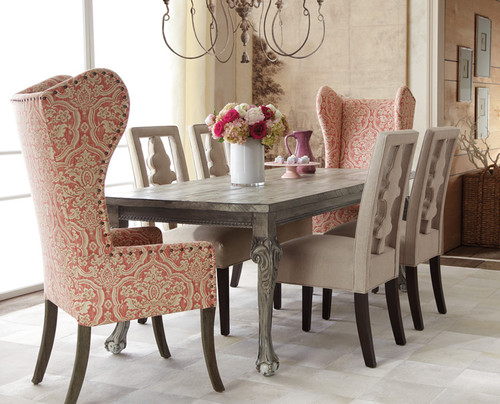
I love being surprised in unexpected places!  Passing by an amazing window display, while doing a bit of antique art shopping, did just that.  I had to take a moment away from my client and capture a picture of this wonderful wingback chair in crushed orange velvet, nail head details that accentuated the straight lines, and the beautifully accessorized pillows that every designer and homeowner is compelled to use in colourful textures and geometric patterns.

Photo By:  True Identity Concepts

This modern version wing chair is all grown up (literally), but the features of the wingback chair are still in tact.

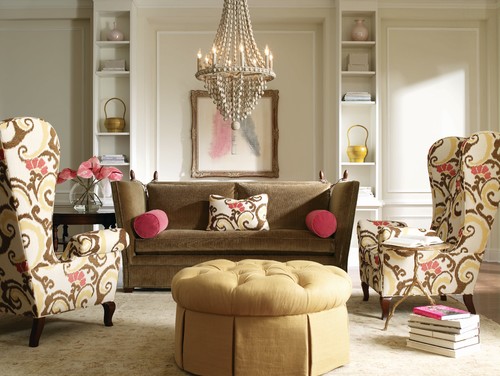
The traditional wingback version dates back to the 1700s with many of their original features in tact.  A fully upholstered chair with a 90 degree angle high-back, sides that extended up from the arms, and legs that define the period, these chairs were intended to protect us from the cold drafts and those big roaring fires.

Photo Source: Design Indulgence
 
Today, the wingback chair continues to use its wings to wrap us in warmth and beauty -- high or low back styling, curved or straight winged arms, legs in many shapes and sizes, and textures that fit into any style home or decor -- their sophisticated presence cannot be denied.
 
 
Traditional, Rustic, Eclectic, or Modern...whatever your style, give your room a pair of wings and it will take a stylish flight!


Sunday, August 11, 2013

Remodeling Your Home - What About Pet-Friendly Spaces?

In preparing for a home improvement project, the majority of concerns for homeowners are the aesthetic and cost of the project. But as a design professional, I like to dig deeper into the details to uncover the functional and family lifestyle that should be included.  Questions and answers are exchanged, pieces of the puzzle begin to fit into place, and design solutions start to emerge.  

Once the Q&A has finished and I get ready to take a look around, my attention often shifts to the furry family members who undoubtedly makes their presence known.  I sit back down and start to ask some additional questions that include the family pet since they were missing from all the notes, pictures, and bulging folder that contains the wish-list of ideas.

Photo Source:  Pinterest

Considering that the Humane Society reports that 4 out of 10 households have a dog or cat, while the American Pet Products Association reports an even higher number for our furry friends, I have to believe that including them into the questioned asked for home improvement project would only benefit the entire family.

Photo Source: Houzz
 
 
I find that kitchen and bath renovations get all the perks that make life a bit more convenient. Small changes such as increasing the height of a pantry shelf gives enough clearance to roll a food storage bin in or out or using that dead space under the stairs as access for the kitty litter would work wonders.
 

A Few Questions To Consider

  • What type of food storage do you use for your pets and where is it stored?
  • What rooms do your pets sleep?
  • How do you groom your pets?
  • Do you house your pets in a certain location at night or while you are at work?
  • Are there any health conditions that need to be addressed?
  • If there is one thing that you could do to improve your pet's environment, what would it be?
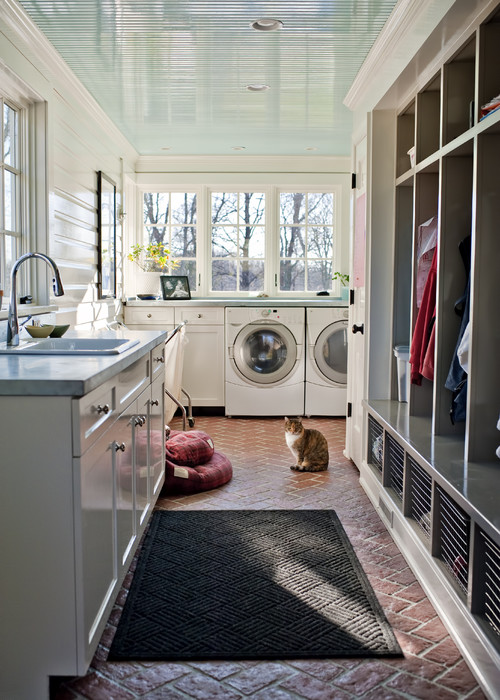
Photo Source: Tumblr
 
A Laundry or Mudroom space allows a family pet to stay involved in all of your activities or out-of-the-way of guests. The best improvements are organized and planned into a new space before the remodel is started.


Pet-Friendly Home Improvement Ideas

  • Built-in Ramps, Stairs, Window Seats, or Trees
  • Stain Resistant Carpets or Floors
  • Storage Areas for Pet, Supplies, or Kitty Boxes
  • Built-in sleeping areas, beds, or removable covers
  • Indoor Grooming Areas (e.g., Mudroom, Laundry Areas)
  • Built-in feeding stations
  • Pet access to other areas (e.g. basement, outdoors, under stairs)

We do love our animals!  I personally have two cats that fill me with joy.  They give my family unconditional love, keep us company when we are alone, and offer hours of entertainment. 

As you gather your ideas for your next home improvement project, be sure to add your cat or dog designs into the mix of solutions and feel free to share your pet-friendly design solutions.

Click here to visit my Pet Friendly Pinterest Board for more ideas.

Friday, August 9, 2013

3 Organizational Steps For Space Planning A Home Move

Moving into a new home based on marriage, relocation, a first home purchase, downsizing, or even a temporary move (e.g. building a new home or adding an addition) has exciting possibilities with chances to make beautiful, new memories.  There are a lot of checklists to prepare for a smooth move whether you are doing it yourself or paying a moving company for their services. 

All of the information available has a few things in common -- saving you time, money, and aggravation.

Photo by Better Home & Gardens

I can't tell you how many times I moved or relocated locally, across state lines, or for business before I landed in New York.  This experience along with my Interior Design business has taught me that space planning for a new home will make the process of moving a lot smoother once you know what to purge, what to pack, and how it will fit into your new spaces.

Step 1: Take Pictures & Get Measurements

It's a great idea to take inside pictures of your new home along with the measurements of the spaces so you can make decisions on what to purge or and what to keep in your existing home.  Ask your rental agent, realtor, or homeowner for a copy of the plans.  When more detailed measurements are needed, hire a design professional or grab some graph paper and a tape measure and do-it-yourself.  For those who tech savvy, making a digital space plan a nice visual that you can view on your tablet, phone, or home computer.

Step 2:  Start Planning The Furniture Layout


Since you already know the furniture pieces in your home, start planning the rooms by function e.g. Living Room, Dining Room, and Bedrooms.  There are many on-line programs that allow you to create a layout based on your measurements and the ability to arrange furniture to see what fits. Olioboard, HomeStyler, and most furniture stores offer programs that help with computer generated models. Would you rather work with your sketch or blue prints?  Then Homeplanner offers pre-cut furnture pieces for the arrangements of hand-drawn floor plans. Whatever method is used for planning the new spaces, you'll know which pieces to keep, sell, or give away and what new items need to be purchased.  Here are some common sizes for your Living Room, Dining Room, and Bedroom Furniture are found here.

Step 3: Take An Inventory of Your Furniture

It may sound like a daunting task, but taking an inventory of the furniture plan for each room will help the movers organize and place your pieces more efficiently.  Moreover, an inventory of your home is necessary for added home insurance policy coverage.  A simple word document or a more advanced Excel spreadsheet will get you started.   I like the idea of adding a photo for a quick visual reference.  If you are using a spreadsheet, then use a color system to label the rooms.  This list can serve as quick direction during your move.  Coordinate a color label for boxed items and the rooms.  Trust me, the movers and any enlisted family or friend will be happy help give direction. 

Gather your supplies: measuring tape, camera, graph paper, and color coded packing tape!  Moving is never easy, but good space planning does make the process a bit less stressful.  If you like checklists to get your move started, Real Simple offers one that helps you plan two months in advance.
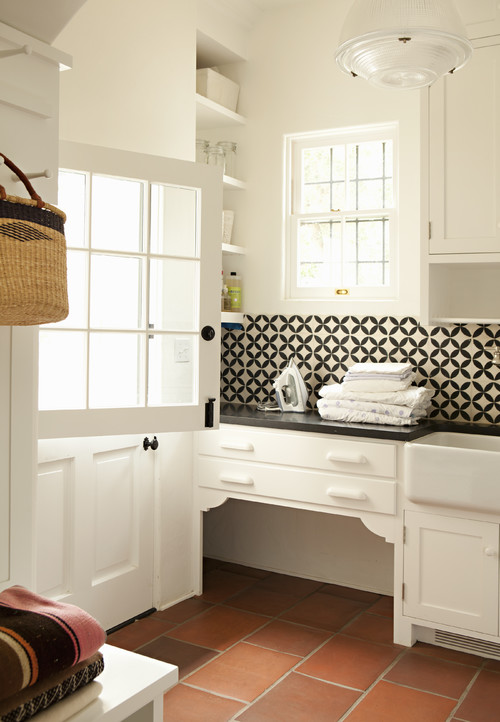
Photo Source: Micasarevista
Need professional Space Planning?  Contact True Identity Concepts here to discuss the optional services available for your home move.